Retinal vs Retinol: Which Is Better for Your Skin?
Retinal vs retinol: what's the difference, and which one should you choose? Both are vitamin A derivatives used in skincare to improve the appearance of fine lines, wrinkles, uneven skin tone, and rough texture. The main difference is how they are converted into retinoic acid, the biologically active form involved in many of their skin effects.
Retinal (retinaldehyde) requires one conversion step to become retinoic acid, while retinol requires two. This makes retinal a more direct precursor, but it does not automatically mean that every retinal product works faster, produces better results, or causes more irritation than every retinol product.
Clinical studies suggest that both ingredients can improve signs of photoaging. One small comparative trial found greater improvements in several skin-aging measurements with the tested retinal formulations than with the tested retinol formulations. However, formulation quality, concentration, skin tolerance, and consistent use all influence the outcome.
This guide examines their chemical differences, anti-aging benefits, clinical evidence, potential side effects, and practical application methods to help you make an informed choice.
Retinal vs Retinol: Key Differences at a Glance
| Feature | Retinal (Retinaldehyde) | Retinol |
|---|---|---|
| Ingredient category | Vitamin A derivative (retinoid) | Vitamin A derivative (retinoid) |
| CAS Number | 116-31-4 (all-trans-retinal) | 68-26-8 (all-trans-retinol) |
| Molecular formula | C20H28O | C20H30O |
| Conversion to retinoic acid | One oxidation step | Two oxidation steps |
| Clinical evidence | Evidence from several clinical studies, including a direct comparison with retinol | Clinical studies available, but evidence varies across formulations |
| Fine lines and wrinkles | Can improve visible photoaging | Can improve visible photoaging |
| Acne-related concerns | Potential benefits; less clinical evidence than established acne medications | May help mild acne-related concerns |
| Irritation | Possible dryness, redness, and peeling | Possible dryness, redness, and peeling |
| Best suited for | Users seeking an alternative to retinol, depending on tolerance | Users who prefer a widely available, gradual introductory option |
Bottom line: Retinal has a shorter metabolic pathway to retinoic acid, but the best skincare ingredient is the one that delivers meaningful benefits without persistent irritation.
What Is Retinal?
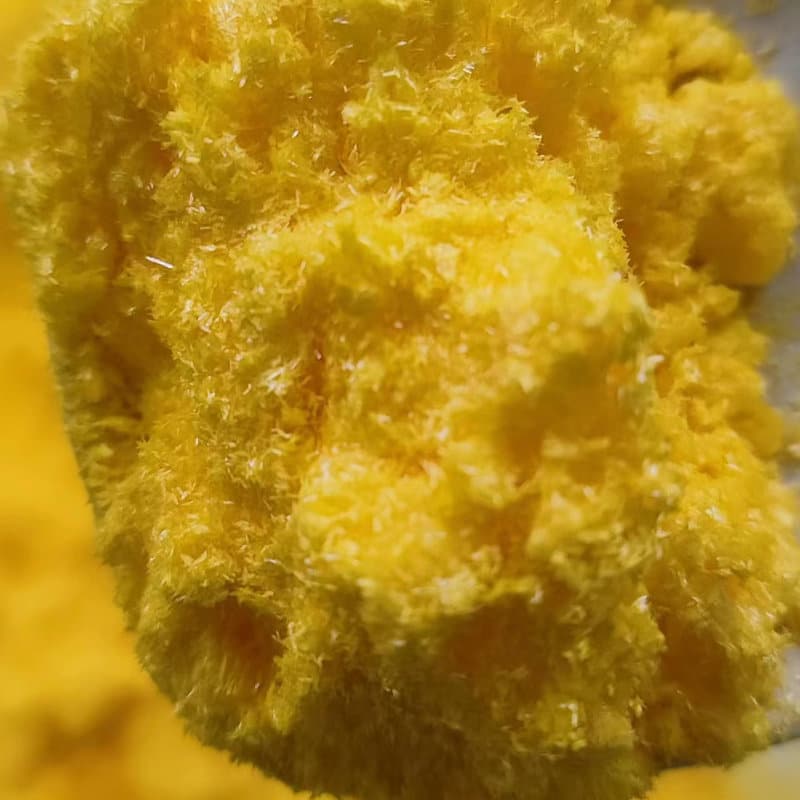
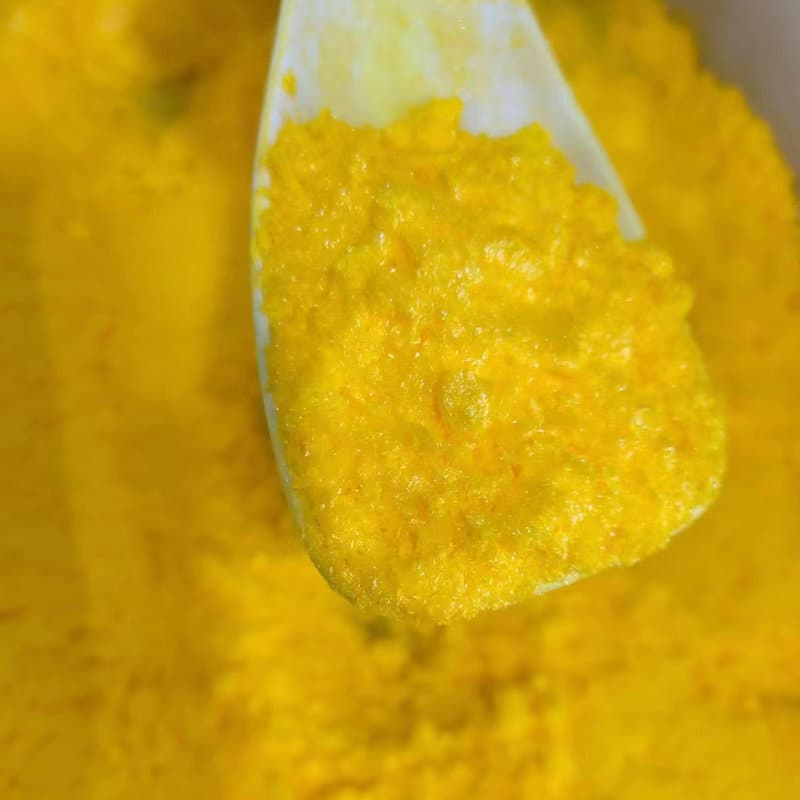
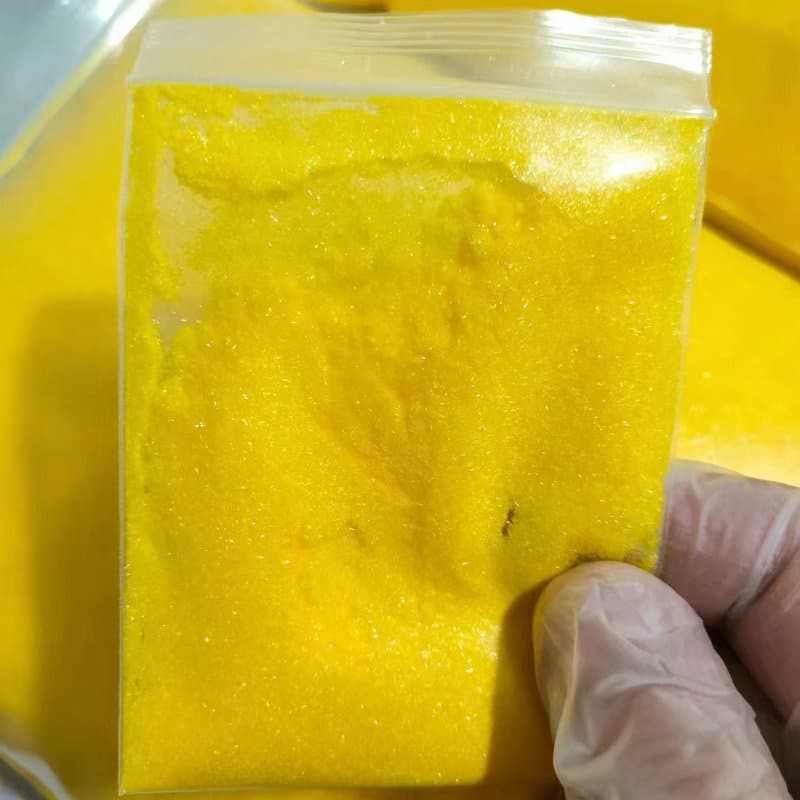
Retinal, also known as retinaldehyde, is a naturally occurring vitamin A derivative. Its all-trans form has the molecular formula C20H28O and CAS number 116-31-4.
In skincare, retinal is used in formulations designed to address visible signs of aging, including fine lines, uneven texture, and photodamage.
Its chemical structure contains an aldehyde functional group. In the retinoid metabolic pathway, retinal can be oxidized to retinoic acid, which interacts with nuclear retinoic acid receptors and helps regulate processes involved in skin renewal and differentiation.
A randomized controlled trial published in the Journal of Cosmetic Dermatology in 2018 evaluated 0.05% and 0.1% retinaldehyde creams in 40 female volunteers. After three months, both formulations improved measured skin texture and hydration. The study did not find statistically significant differences between the two groups for most evaluated outcomes.
What Is Retinol?
Retinol is another vitamin A derivative widely used in cosmetic creams, serums, and lotions. All-trans-retinol has the molecular formula C20H30O and CAS number 68-26-8.
Unlike retinal, retinol contains an alcohol functional group. It is converted into retinal before undergoing further oxidation to retinoic acid.
Retinol is commonly incorporated into products intended to improve the appearance of:
- Fine lines and early wrinkles
- Uneven skin tone
- Rough or dull-looking skin
- Mild acne-related imperfections
- Visible signs of sun-related skin aging
However, not all commercial retinol products have equivalent clinical evidence. A systematic review published in 2022 identified nine randomized, double-blind, vehicle-controlled trials of over-the-counter retinol products, with four reporting no statistically significant improvement compared with the vehicle.
This highlights why the presence of retinol on an ingredient list does not guarantee a particular clinical outcome.
How Do Retinal and Retinol Work in the Skin?
The most important chemical distinction between retinal and retinol is their position in the vitamin A metabolic pathway.
Retinol Conversion Pathway
Retinol → Retinal → Retinoic Acid
Retinol must first be oxidized to retinal, which can then be converted to retinoic acid.
Retinal Conversion Pathway
Retinal → Retinoic Acid
Retinal is one metabolic step closer to retinoic acid. This is a genuine biochemical distinction, but the number of conversion steps alone cannot determine the effectiveness of a finished skincare product.
Retinoid metabolism is regulated by enzymes, and some reactions are reversible. In addition, the amount of ingredient delivered into the skin depends on its formulation, concentration, and stability.
Is Retinal Stronger Than Retinol?
Retinal is generally regarded as a more direct precursor to retinoic acid, but there is no universally valid numerical strength ratio between retinal and retinol.
Claims that retinal is always 10 times or 11 times stronger than retinol should not be treated as universal clinical facts.
The biological performance of each ingredient depends on several factors:
- The concentration of the active ingredient
- The delivery system used in the formula
- The stability of the ingredient during storage
- Penetration and conversion within the skin
- The frequency and duration of use
- The individual's skin tolerance
A 2021 randomized split-face study compared multilamellar-vesicle retinaldehyde creams with retinol creams at 0.05% and 0.1% concentrations.
After eight weeks, both treatments improved measured skin-aging parameters. The retinal formulations demonstrated significantly greater improvement in several objective outcomes than the corresponding retinol treatments, although the difference was not significant for dermal density.
Importantly, the study involved 23 volunteers and specific formulations. It supports the potential advantages of those retinal products but does not establish that every retinal serum is superior to every retinol serum.
Retinal vs Retinol for Wrinkles and Anti-Aging
Retinoids are widely studied for their effects on photoaged skin. Both retinal and retinol may improve skin appearance by influencing epidermal renewal and processes associated with collagen maintenance.
Retinal for Fine Lines
Clinical research supports retinaldehyde as an option for visible photoaging.
In a 1998 study involving 125 patients in the efficacy analysis, a 0.05% retinaldehyde cream improved measured wrinkles and skin roughness after 18 weeks.
Retinaldehyde was also better tolerated than the retinoic acid formulation evaluated in the same study.
Retinol for Fine Lines
Retinol is used in many anti-aging products, and some clinical trials report improvements in skin texture and fine lines.
However, the strength of the evidence varies. The effectiveness of a particular retinol product should be judged by its formulation and supporting research rather than ingredient concentration alone.
Which Is Better for Mature Skin?
Retinal may be worth considering when someone wants an alternative to conventional retinol skincare, particularly if a well-formulated product is available.
Retinol remains a reasonable choice for individuals who already tolerate it and are satisfied with their results.
Neither ingredient should be expected to eliminate deep wrinkles or replace proven daily photoprotection.
Retinal vs Retinol for Acne
Vitamin A derivatives can influence skin-cell turnover and the processes involved in blocked pores.
Retinol is commonly used in cosmetic products for mild acne-related concerns, while retinal has attracted interest for its effects on skin renewal and its potential activity against certain skin bacteria.
However, the available evidence does not establish that retinal consistently treats acne more effectively than retinol.
For persistent inflammatory acne, treatment selection should be based on established acne guidelines. Dermatologists may recommend treatments such as adapalene or prescription retinoids rather than relying solely on cosmetic retinol or retinal products.
Practical recommendation: For occasional blemishes and uneven texture, either ingredient may be considered according to tolerance. For moderate or severe acne, consult a dermatologist for evidence-based treatment.
Which Causes More Irritation: Retinal or Retinol?
Both retinal and retinol can cause irritation, particularly when first introduced into a skincare routine.
Common adverse reactions include:
- Dryness or tightness
- Redness
- Peeling or flaking
- Burning or stinging sensations
- Temporary worsening of skin sensitivity
Retinal's shorter conversion pathway does not automatically make it more irritating.
In the 2021 split-face clinical comparison, no adverse events were reported with either the tested retinal or retinol formulations during the eight-week period.
Nevertheless, that finding does not establish equal tolerability across all products or skin types.
Fragrance, delivery technology, additional active ingredients, application frequency, and the condition of the skin barrier may all affect the irritation experienced by an individual.
Is Retinol Better for Sensitive Skin?
Retinol is frequently selected as a starting ingredient because low-strength formulations are widely available.
However, a low-strength, well-formulated retinal product may also be tolerated by some individuals.
People with active eczema, significant redness, rosacea, or a compromised skin barrier should seek individualized dermatological advice before introducing retinoids.
How Long Does Retinal vs Retinol Take to Work?
Both ingredients require consistent use, and visible improvement is gradual.
Clinical studies of retinal have documented measurable improvements after approximately eight weeks to three months, depending on the formulation and the outcomes evaluated.
Retinol products may also take several weeks or months to produce noticeable changes.
| Time Period | What to Expect |
|---|---|
| First 1-2 weeks | Possible dryness or irritation; visible improvement is not guaranteed |
| Weeks 3-4 | Some users may notice changes in texture, although others will not |
| Weeks 8-12 | A reasonable period for assessing early changes in fine lines and texture |
| Beyond 12 weeks | Continued use may offer further benefits, depending on product and tolerance |
These periods are practical expectations, not guaranteed timelines or proof that retinal always acts faster than retinol.
What Percentage of Retinal or Retinol Should You Use?
The concentration printed on a skincare label is only one factor affecting the product's performance.
Retinal Concentrations
Clinical studies have evaluated retinaldehyde formulations containing 0.05% and 0.1% of the active ingredient.
Both concentrations demonstrated improvements in measured signs of photoaging in a 2018 controlled trial.
These clinical concentrations should not be interpreted as universal starting doses. People new to retinoids should select an appropriately formulated product and follow its instructions.
Retinol Concentrations
Retinol products are available in various concentrations, but not every product discloses its exact active ingredient percentage.
A higher percentage does not necessarily provide better results if it causes irritation that prevents consistent use.
For beginners, gradual introduction and tolerability are more important than choosing the highest available concentration.
Can You Compare Retinal and Retinol Percentages Directly?
No. For example, a 0.05% retinal product should not automatically be considered equivalent to a particular percentage of retinol.
The two ingredients differ chemically, and product performance depends on the entire formulation.
How to Use Retinal or Retinol Safely
A consistent routine helps users introduce either ingredient while reducing unnecessary irritation.
Step 1: Cleanse Gently
Wash your face with a mild cleanser. Avoid aggressive exfoliation immediately before applying a new retinoid product.
Step 2: Apply to Dry Skin
Apply the product according to the manufacturer's directions. Starting on dry skin may help reduce stinging in some users.
Step 3: Introduce It Gradually
Begin with a few evenings per week or every other night, depending on the product and individual tolerance. Increase frequency gradually if your skin remains comfortable.
Step 4: Moisturize
Apply a suitable moisturizer to support skin comfort. A moisturizer may also be applied before a retinoid if irritation is a concern.
Step 5: Protect Your Skin During the Day
Use broad-spectrum SPF 30 or higher sunscreen during the day, along with shade and protective clothing when appropriate.
Sun protection is essential because ultraviolet exposure contributes to photoaging and can undermine the benefits of an anti-aging skincare routine.
Important Precautions
- Avoid using multiple retinoid treatments together unless directed by a healthcare professional.
- Use caution when combining retinoids with strong exfoliating acids or other potentially irritating ingredients.
- Avoid retinoids during pregnancy or while trying to conceive. Consult a healthcare professional about use during breastfeeding.
- Stop using the product and seek medical advice if severe irritation, swelling, or persistent inflammation develops.
- Avoid applying products to broken or severely irritated skin.
Can You Use Retinal and Retinol Together?
Although retinal and retinol are different ingredients, they belong to the same vitamin A family and share related biological pathways.
For most users, applying a separate retinal product and a separate retinol product during the same routine is unnecessary.
Combining them may increase cumulative irritation without providing a demonstrated additional benefit.
If you are already using retinol successfully, there is no automatic need to add retinal.
If you want to switch, introduce the new product gradually rather than immediately layering both treatments.
How Important Is Formulation Stability?
Both retinol and retinal can undergo degradation under unsuitable storage and formulation conditions.
Factors such as light, oxygen, temperature, and the surrounding formulation may influence their chemical stability.
This is particularly important for cosmetic manufacturers developing vitamin A-based skincare products.
A high-purity raw material is not, by itself, a guarantee of stability or performance in the finished product.
Manufacturers should consider appropriate packaging, antioxidant systems where justified, compatibility testing, and stability studies under relevant storage conditions.
Finished-product effectiveness should also be assessed using suitable product-specific evidence rather than inferred solely from the raw material's purity.
Retinal vs Retinol: Which Should You Choose?
Choosing between retinal and retinol depends on your skincare goals, previous experience, and sensitivity to retinoid ingredients.
| Your Situation | Practical Recommendation |
|---|---|
| New to vitamin A skincare | Consider a low-strength, well-formulated retinol product or another gentle introductory retinoid formulation. |
| Currently using retinol successfully | Continue if your skin tolerates it and you are satisfied with the results. |
| Interested in an alternative to retinol | Consider a retinal formulation with suitable concentration and supporting product evidence. |
| Concerned about fine lines | Both may help; retinal has shown encouraging results in comparative research. |
| Very sensitive or inflamed skin | Consult a dermatologist before starting either ingredient. |
| Persistent moderate or severe acne | Seek evidence-based acne treatment rather than relying on cosmetic retinoids alone. |
| Pregnant or planning pregnancy | Avoid both and consult a healthcare professional about alternatives. |
Overall recommendation: Retinal is a promising cosmetic retinoid and may offer advantages in some formulations, while retinol remains a widely available option for gradual skincare improvement. There is no single winner for every individual.
Frequently Asked Questions About Retinal vs Retinol
1. Is retinal better than retinol?
Not in every situation. Retinal is one metabolic step closer to retinoic acid, and a small clinical comparison found benefits with the tested retinal formulations. However, results depend on product quality, concentration, and skin tolerance.
2. Is retinal stronger than retinol?
Retinal is a more direct precursor to retinoic acid. However, there is no universally established numerical potency ratio applicable to all finished skincare products.
3. Is retinal more irritating than retinol?
Not necessarily. Both ingredients may cause irritation. Clinical studies have reported good tolerability with some retinal formulations, but individual reactions and product characteristics vary.
4. Is retinal the same as retinaldehyde?
Yes. Retinal and retinaldehyde are two names for the same class of vitamin A compound. All-trans-retinal has CAS number 116-31-4.
5. Can retinal replace retinol?
Yes, retinal can be used instead of retinol in a skincare routine if the chosen product is appropriate for the user's skin. It should be introduced gradually.
6. Can retinal and retinol be used in the same routine?
Using separate products containing both ingredients in one routine is generally unnecessary and may increase irritation. Consult a dermatologist before combining multiple retinoid treatments.
7. Which is better for wrinkles, retinal or retinol?
Both may improve visible fine lines. Some evidence favors particular retinal formulations, but there are insufficient head-to-head data to conclude that every retinal product outperforms every retinol product.
8. Is retinal suitable for beginners?
Some beginners may tolerate appropriately formulated retinal products, but a gradual introduction is important. A low-strength retinol formulation is another common starting option.
9. Does retinal work faster than retinol?
Retinal's metabolic pathway is shorter, but this does not guarantee faster visible results. Clinical outcomes depend on formulation, use patterns, and individual skin response.
10. What is the difference between retinal and Retin-A?
Retinal is retinaldehyde, a vitamin A derivative used in cosmetic skincare. Retin-A is a brand name associated with tretinoin, a retinoic acid medication. They are not the same ingredient.
Final Verdict: Retinal or Retinol?
In the retinal vs retinol comparison, the most important distinction is that retinal requires one metabolic conversion to retinoic acid, while retinol requires two.
Retinal has demonstrated beneficial effects on photoaged skin in clinical research, including improvements in fine lines and texture. Retinol is also used for similar skincare concerns, although the evidence supporting individual products varies.
Neither ingredient is automatically superior in every formulation or for every skin type.
If your current retinol product works well and causes minimal irritation, continuing it is reasonable. If you want to explore another vitamin A formulation, retinal may be worth considering.
For both ingredients, consistent application, suitable formulation, skin-barrier care, and daily sunscreen are fundamental to a successful routine.
Scientific References and Further Reading
- Kwon HS, et al. Efficacy and safety of retinaldehyde 0.1% and 0.05% creams used to treat photoaged skin: A randomized double-blind controlled trial. Journal of Cosmetic Dermatology. 2018. PubMed PMID: 29663701.
- The efficacy and safety of multilamellar vesicle containing retinaldehyde: A double-blinded, randomized, split-face controlled study. PubMed PMID: 33569865.
- Creidi P, et al. Profilometric evaluation of photodamage after topical retinaldehyde and retinoic acid treatment. Journal of the American Academy of Dermatology. 1998. PubMed PMID: 9843009.
- Evidence for the Efficacy of Over-the-counter Vitamin A Cosmetic Products in the Improvement of Facial Skin Aging: A Systematic Review. PubMed PMID: 34980969.
- American Academy of Dermatology Association. Retinoid or retinol? Dermatologist guidance.
- Cleveland Clinic. Retinol: Cream, Serum, What It Is, Benefits, How To Use. Medical overview.
Medical disclaimer: This article provides general educational information about skincare ingredients. It is not a substitute for personalized medical advice, diagnosis, or treatment.